The Ski Season in Photos #9

After NEMO, a nice series of small snowfalls accumulated and the skiing was really looking good in New York.  At the end of the month another moisture-laden storm tracked too far west to be ideal.
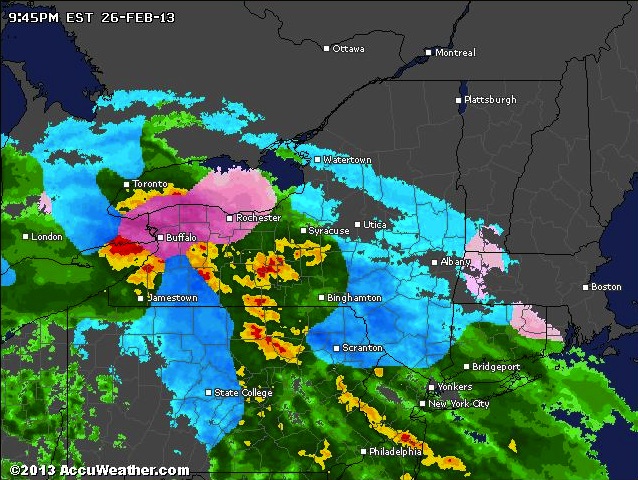
Feb 26 2013 Storm

The net-net was a few inches of snow in the Catskills followed by significant rainfall. In the Adirondacks, most of what fell was frozen if not exactly blower, and the trees were still in play.

While Vermont got much the same as the Adirondacks out of the storm itself, as is often the case, there was some nice upslope on the backside. Over the next few days following the storm, instability in the upper reaches of he atmosphere continued to drop snow along the Green Mountain spine.
Continue reading →

Summer Crosstraining: NYC Kayak Edition

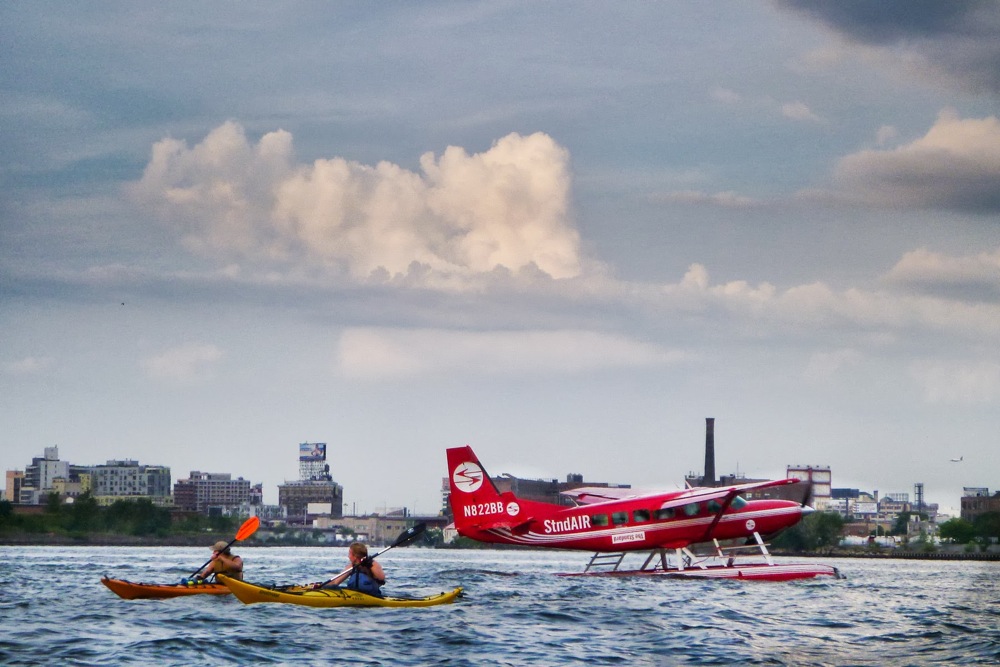
Last summer, a group of individuals teamed up with the Sebago Canoe Club from Harriman State Park to bring recreational paddling to my neck of the woods. As long as you consider New York City “the woods,” and recreational paddling to be any human-powered activity on a body of water or superfund site, you’re set.

Float-Plane

I was suspicious but intrigued enough to attended several benefit events on the lot and watched as shipping containers were filled with shiny fiberglass boats, outdoor showers were installed, and the best composting toilet south of the ADK suddenly appeared.

Continue reading →

The Ski Season in Photos #8

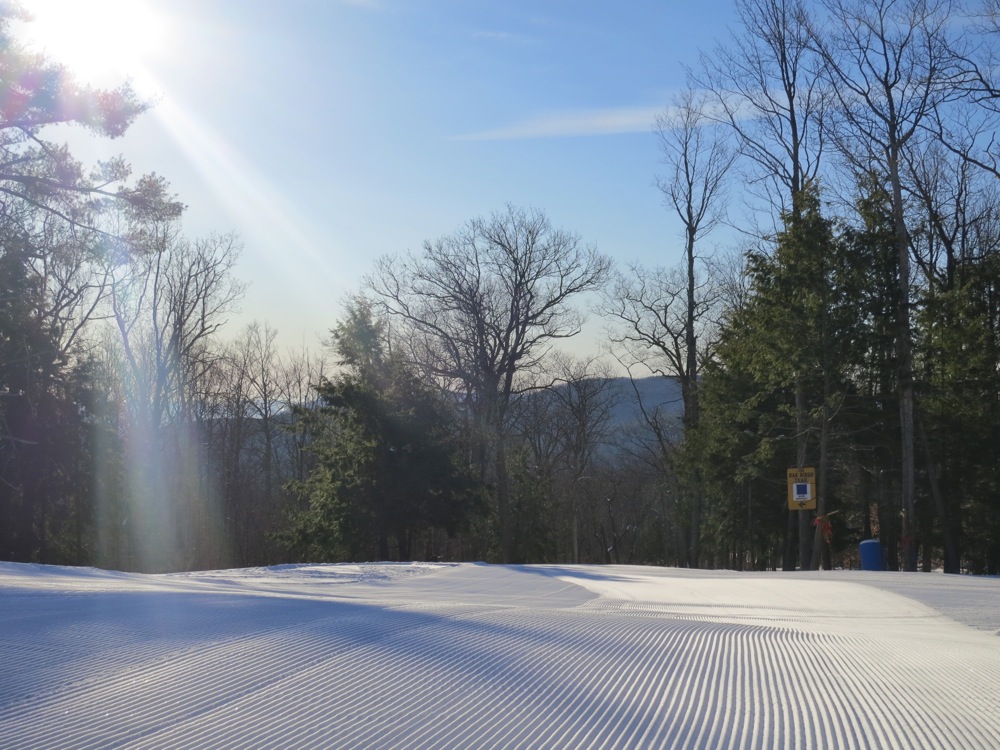
By the end of the first week of February, the mountains recovered from a double whammy January meltdown. Very cold temps and modest amounts of natural snow had things in good shape.

Morning-Corduroy

At the same time Accuweather and other sources of weather prognostication began to forecast a double barrel storm to impact the northeast. A potent Alberta Clipper was predicted to come across the northern tier of the US and drop the better part of a foot of snow on New York and then pass the baton to a strong coastal low, at which point all hell was supposed to break loose.

The first low tracked as expected but was more typical of a moisture starved clipper. To follow it, the second low developed a bit too far to the east to hammer New York.

Continue reading →