
The Indian Lake Dam, NY

The village of Indian Lake, NY is in the center of Adirondack Park at 1,750 feet above sea level. Indian Lake, the body of water from which the town derives its name, is three miles south of town.
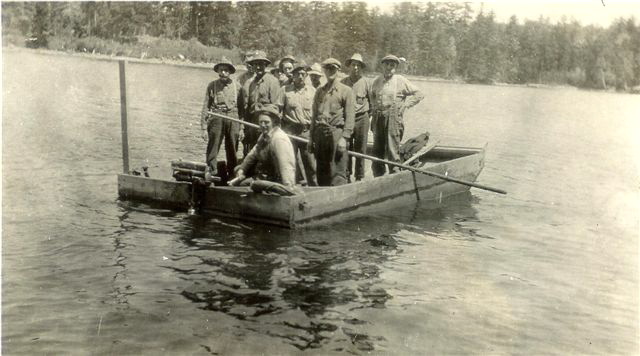
Indian Lake Dam Builders
Indian Lake Dam Builders in 1898

In the 1850s, the first dam built on Indian Lake was designed to store and release water for moving lumber to market. It increased the width of the lake, but not the length.

In 1898, construction of the current state dam was completed. It was built to ensure a continuous supply of water to the manufacturing plants and mills along the Hudson.

Continue reading →

The Lake Abanakee Dam, NY

The Lake Abanakee Dam in Hamilton County, New York was constructed in the 1950s. Since 1997, regularly scheduled dam releases — on Tuesday, Thursday, Saturday and Sunday — have made whitewater rafting on the Indian River possible. Now paddlers can reach the Hudson River Gorge throughout the summer.

Lake Abanakee dam
photo courtesy Indian Lake Museum

The structure is a gravity dam of earthen construction — it’s 15 feet high and 240 feet long. Maximum discharge is 6,870 cubic feet per second. Normal storage is 3,660 acre feet and capacity is 6,110 acre feet.

The dam brought jobs to the central Adirondacks from the very beginning. Hamilton County raised $60,000 in the summer of 1950 for land acquisition, clearing of the area, and the construction of the dam itself. Forty men were employed by the project.

Continue reading →

Gore Mountain Topography

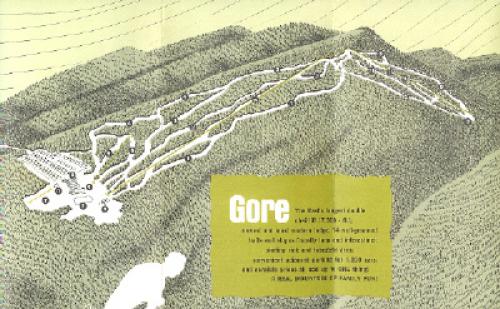
I hear a lot about the flat spots at Gore — like it or not, they’re part of the Gore Brand. In the beginning during the ride up and slide down days, heels were free and trails like Rabbit Pond followed rolling terrain going both up and down. Nobody seemed to mind the exercise.

Gore Mountain 1965
Gore Mountain 1965

During the early period of lift served skiing on Bear Mountain, in the mid-sixties, there were no flat spots. The East and the North Sides functioned nicely as a mountain with higher elevations, more vertical and more terrain than the Ski Bowl.

In the late sixties, the funds became available to develop the true summit of Gore. Some of the very best terrain at Gore Mountain was added under the Straightbrook and Summit Chairs.

Continue reading →